Picking the right loader is one of the most important decisions a quarry operator can make. Both wheel loaders and track loaders are workhorses on busy sites, but they perform very differently once they are in the dirt. The best choice often depends on how much traction you need, how tough your stockpiles are, how tight the work zone is, and how much you want to spend on daily fuel and long-term maintenance. Understanding how each machine behaves in a quarry environment can help you keep production moving without unnecessary downtime.
How Traction Influences Productivity
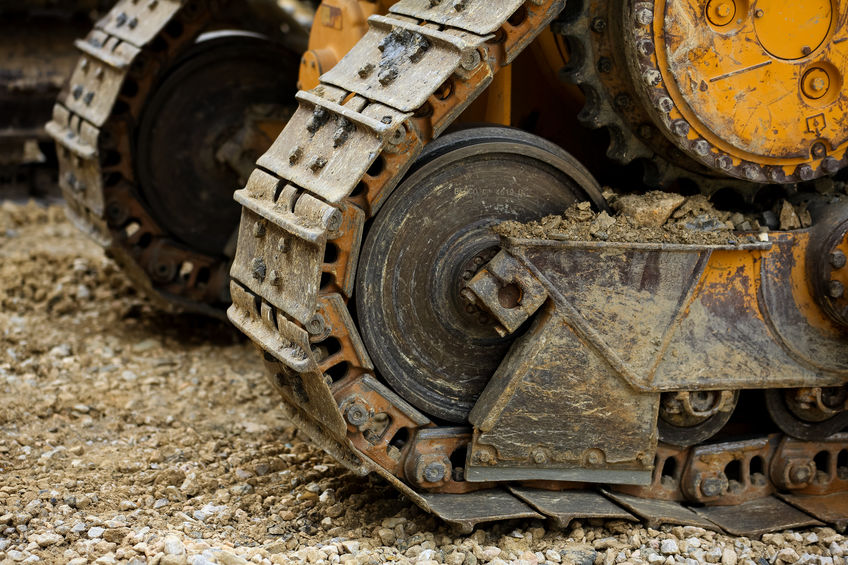
Quarries do not always provide the smoothest or most predictable terrain. Track loaders hold a strong advantage in loose, uneven, or muddy areas because their tracks spread weight across a larger surface. This gives them steady footing even when the ground under them shifts. Wheel loaders rely on tire pressure and ground firmness to maintain stability, which means they can slip on soft or freshly blasted material. If your site regularly deals with mud, soft crusher fines, or grades that challenge traction, track loaders tend to deliver more consistent performance throughout the day.
Bucket Penetration and Digging Strength
When a loader approaches a compacted pile, digging power becomes one of the most noticeable differences between the two machines. Track loaders generate solid downforce that helps the bucket bite into tough or stubborn material. That extra grip often leads to cleaner, more efficient bucket fills. Wheel loaders can dig very effectively too, but their performance depends more on tire traction. If the surface beneath them is slick or uneven, the tires may spin, which reduces digging efficiency. For operations where bucket penetration makes or breaks daily production, track loaders often get the edge.
Maneuverability and Site Speed
Many quarry managers appreciate the speed and agility of wheel loaders. They travel faster over long distances and can complete load cycles quickly, which is valuable when feeding crushers or moving between stockpiles. Turning and repositioning tend to feel smoother as well. Track loaders maneuver well in tight areas, but they move at a slower pace, which makes them better suited for shorter pushes and smaller work zones. If your operation spreads across a large site or requires rapid cycling, a wheel loader usually pays off in time savings.
Fuel Use and Maintenance Costs
The long-term cost of ownership is a major consideration when choosing between these two machines. Wheel loaders often have lower operating costs because tires are less expensive to replace than full undercarriage components. Track systems can wear down quickly on abrasive quarry surfaces, which makes periodic rebuilds part of their life cycle. Fuel use plays a role as well. Wheel loaders are typically more fuel efficient when traveling longer distances, while track loaders may use more fuel due to the constant friction of the track system. Understanding how many hours per day each machine will run can help you estimate the true cost of keeping it in your fleet.
Matching the Machine to Your Environment
Every quarry has its own set of challenges. Some sites experience seasonal mud or water saturation that makes traction a constant battle. Others operate on firm haul roads with predictable conditions that favor speed and mobility. The type of aggregate being moved, the distance between work areas, and the slope of the terrain all influence which loader will serve you best. Track loaders thrive in soft ground and difficult digging conditions. Wheel loaders excel on solid surfaces where fast travel and efficient cycle times drive productivity.
Finding the Right Fit for Your Operation
Both wheel loaders and track loaders can be smart investments, but each one shines under different conditions. The best choice is the one that supports your specific workload and the environment you operate in. When the machine fits the job, your team gets more done with fewer delays and lower long-term costs.
Rackers Equipment Company has spent more than three generations helping quarry operators select equipment that matches their material flow and production goals. If you are weighing the benefits of wheel loaders versus track loaders or want guidance on choosing the right model, our team is always here to help you make a confident decision.
Contact Rackers Equipment at 573-635-8700 today or visit us online for more information.