Heavy equipment is not bought and sold in a steady, predictable rhythm. In the quarry, aggregate, and mining industries, the calendar plays a bigger role in equipment pricing and availability than many buyers realize. Weather, construction cycles, material demand, and project schedules all influence when machines enter the market and how much they cost. Understanding these seasonal shifts helps equipment buyers plan smarter, avoid rushed purchases, and get more value from every investment.
Many equipment decisions are made based on immediate need. A crusher goes down. A new project starts. Production increases faster than expected. When urgency drives the purchase, options can be limited, and pricing tends to be higher. Buyers who recognize seasonal trends gain flexibility and often find better selection and stronger value.
Warm Weather Months Bring Higher Competition
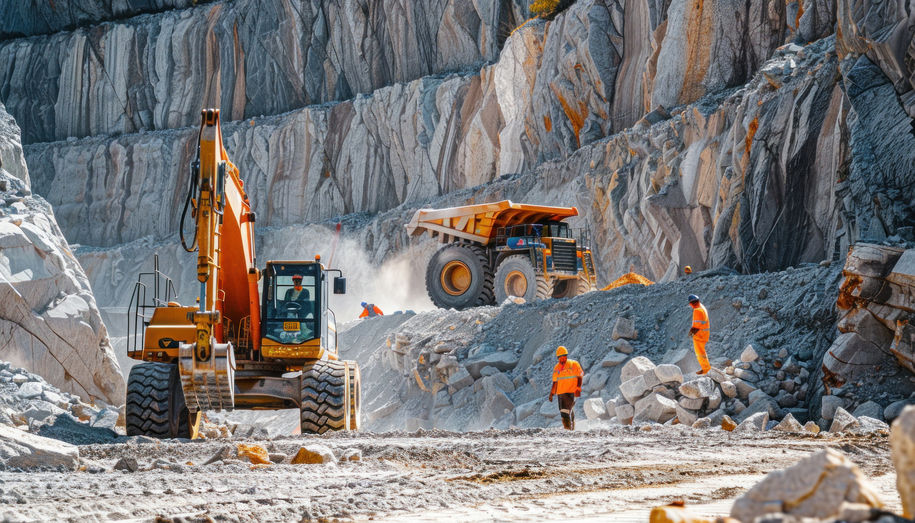
Spring and summer are the busiest production seasons for most aggregate and mining operations. Quarries are running at full capacity. Road crews need material. Construction projects move quickly. During these months, demand for loaders, crushers, screens, conveyors, trucks, and excavators increases sharply.
Because so many operations are buying or leasing equipment at the same time, available inventory can tighten. Machines that might sit on a lot in winter move quickly in summer. Sellers know buyers are motivated, so pricing can rise. Delivery timelines may also stretch as transportation schedules fill up.
For buyers who wait until peak season to shop, the challenge is not only price. It can also mean settling for equipment that is close to what they need instead of exactly what they want.
Autumn Brings More Choices
As summer production slows, many operators review their fleets. Equipment that has worked hard all season may be traded in, upgraded, or replaced before winter. This creates an influx of used machines entering the market.
Fall often offers a strong balance of selection and reasonable pricing. There is less urgency in the marketplace, and buyers have more room to evaluate options. For operations preparing for next spring, fall purchases allow time for inspections, servicing, and delivery without pressure.
Winter Offers Strategic Buying Opportunities
In colder regions, winter slows or pauses production. When machines are not actively working in the field, demand for equipment naturally drops. This often results in steadier inventory levels and more motivated sellers.
Buyers who plan can take advantage of winter purchases. Equipment acquired during the off season can be stored, refurbished, or customized before production resumes. When spring arrives, the operation is ready rather than scrambling to find machinery at the last minute.
Material Demand Influences Equipment Demand
Seasonal equipment trends also follow the demand for aggregates and mined materials. When infrastructure funding increases or commercial construction accelerates, equipment demand rises. When development slows, more used machines become available.
Watching both market conditions and seasonal patterns helps buyers identify the best time to act. This is especially important for high demand equipment such as primary crushers, wash plants, and large loaders where availability can change quickly.
Transportation Timing Matters Too
Another often-overlooked factor is equipment transport. During peak production months, trucking companies are busy, and scheduling deliveries can take longer. In slower seasons, shipping is easier to arrange and sometimes more cost efficient. For large or specialized machinery, this can influence total project timelines.
Planning Ahead Creates Better Outcomes
The most successful equipment buyers think several months ahead. They consider when their operation will need machinery and time purchases around market cycles. This reduces downtime risk, improves selection, and often lowers overall cost of ownership.
Instead of reacting to urgent equipment needs, proactive planning keeps projects moving smoothly and budgets under control.
Experience Makes the Difference
Seasonal shifts affect equipment markets every year but interpreting them takes experience. At Rackers Equipment Company, we track equipment movement across the seasons and understand when certain machines are most likely to be available. That insight helps customers secure the right equipment at the right time, not simply what happens to be in stock.
Whether preparing for a spring production ramp up, a summer expansion, or an off-season upgrade, understanding seasonal demand gives buyers a real advantage. With smart timing and the right equipment partner, operations can stay productive, efficient, and ready for what comes next.
Contact Rackers Equipment Company today at 573-635-8700 or visit us online for more information!